Mold Removal & Remediation in Saugus, MA
Mold remediation means removing mold growth and, more importantly, fixing the moisture that let it grow. We connect North Shore homeowners with independent local remediation professionals who can assess the problem and give you a written scope and price.
Saugus homes at a glance
Source: U.S. Census Bureau, American Community Survey 2020–2024 5-year estimates, via Census Reporter.
What that means for mold removal in Saugus
About 47% of homes in Saugus were built before 1960, and the median home was built around 1962. Mid-century homes often have had several renovations, and mold often turns up where a finished basement or remodeled bath covered up an old moisture problem.
Saugus's the Saugus River and the salt marshes of the Rumney Marsh area are part of the local landscape. Homes on low ground near water or wetlands are more likely to see high groundwater and damp basements, which is one of the most common sources of mold we hear about.
About Saugus
The Saugus River runs through town to tidal marshland, and low-lying neighborhoods near the river and marsh can see high groundwater and flooding after heavy storms.
Saugus is home to the Saugus Iron Works National Historic Site, a reminder of how long people have been building here.
Signs to watch for
- Visible spotting or fuzzy growth on drywall, wood, ceilings, or stored items
- A musty, earthy smell that comes back after cleaning
- Recurring condensation on windows, pipes, or walls
- Staining after a leak, flood, or ice dam
- Allergy-like symptoms that seem worse in one part of the house
What the work typically involves
- Find and fix the moisture. The EPA puts it plainly: the key to mold control is moisture control. A good pro identifies the leak, groundwater, or humidity source first.
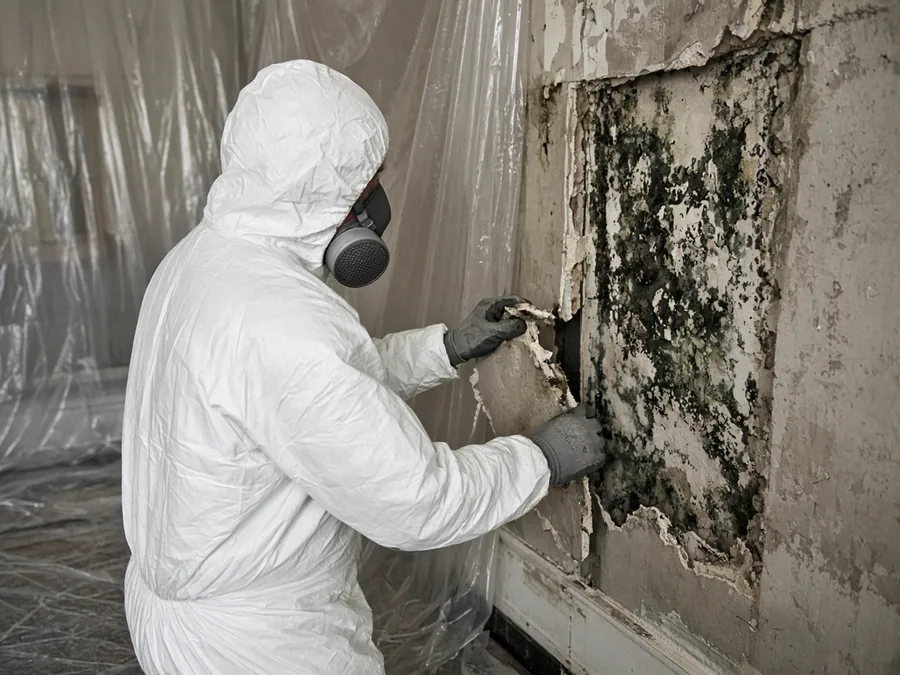
- Contain the work area. For larger jobs, remediators typically isolate the area and use negative air pressure and HEPA filtration so spores are not spread to clean parts of the home.
- Remove and clean. Porous materials with growth, such as drywall, insulation, and carpet, are usually removed. Hard surfaces are cleaned and dried.
- Dry, verify, rebuild. Materials are dried to normal moisture levels before anything is closed up. Some homeowners choose independent post-remediation testing.
Helpful resources: EPA mold guide · FEMA flood map lookup · National Park Service: Saugus Iron Works
Why mold is a problem
Mold can cause allergy-type symptoms and asthma flare-ups in some people, especially those with allergies, asthma, or weakened immune systems. It also slowly damages wood, drywall, and insulation, and it keeps coming back until the moisture source is fixed.
Sources: CDC: About Mold · EPA: A Brief Guide to Mold, Moisture and Your Home · WHO Guidelines for Indoor Air Quality: Dampness and Mould (2009) · EPA: Mold Exposure and Respiratory Conditions in Young Children · CDC: Facts About Stachybotrys chartarum
Mold Removal in Saugus: FAQ
How fast can someone look at mold in my Saugus home?
It depends on the pro's schedule and the season. Spring thaw and late-summer humidity are busy times. When you submit a request, we pass it along to an independent local professional who serves Saugus, and they will contact you directly to schedule.
I rent in Saugus. Who is responsible for mold?
In Massachusetts, the State Sanitary Code sets minimum housing standards, and your local Board of Health handles complaints about conditions such as chronic dampness. Tell your landlord in writing first. If the problem isn't fixed, contact the Saugus Board of Health.
Can I clean up mold myself?
The EPA says that if the moldy area is less than about 10 square feet (roughly a 3 ft by 3 ft patch), you can generally handle it yourself following its guidelines. Larger areas, mold in HVAC systems, or mold after contaminated (sewage) water usually call for a professional.
Does bleach kill mold?
Bleach can lighten surface stains but does not fix the underlying moisture, and it is not effective on porous materials. Never mix bleach with ammonia or other cleaners.