Mold help in Lynnfield, MA
Almost every Lynnfield home relies on a private septic system rather than town sewer. Tell us what you need, and we will connect you with an independent local pro who serves Lynnfield.
Mold services in Lynnfield
Mold Removal & Remediation
Mold remediation means removing mold growth and, more importantly, fixing the moisture that let it grow.
Mold Inspection & Testing
A mold inspection answers three questions: is there a moisture problem, where is it, and how big is it? We connect you with independent local inspectors.
Basement Mold Removal
Basements are the most common place we hear about mold.
Attic Mold Removal
Attic mold usually shows up as dark staining on the underside of the roof sheathing, often on the north side.
Mold After Water Damage
After a leak, burst pipe, or flood, the clock is running.
Source: U.S. Census Bureau, ACS 2020–2024 5-year estimates, via Census Reporter.
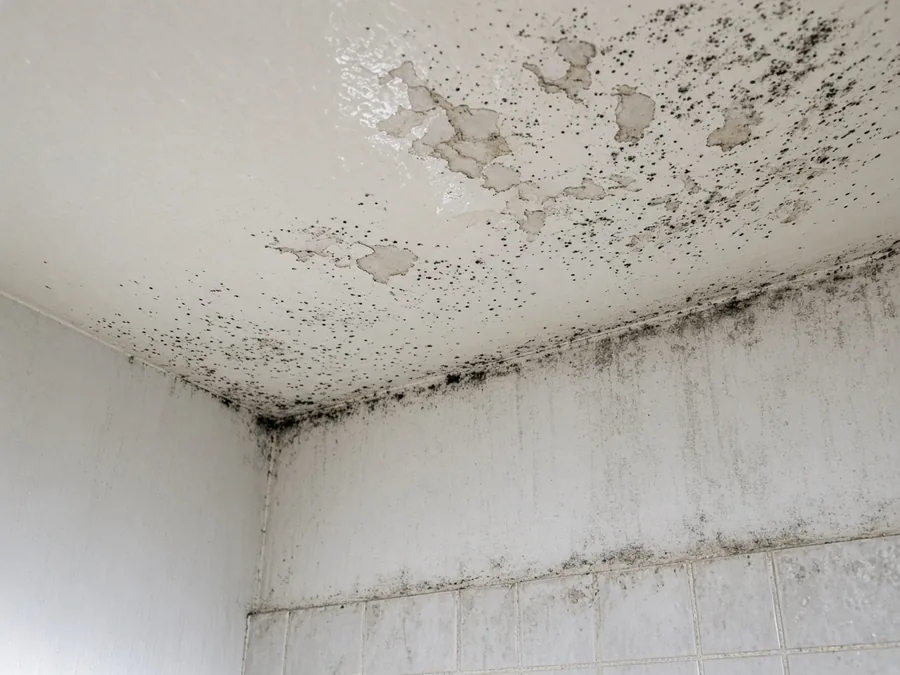
Why mold is a problem
Mold can cause allergy-type symptoms and asthma flare-ups in some people, especially those with allergies, asthma, or weakened immune systems. It also slowly damages wood, drywall, and insulation, and it keeps coming back until the moisture source is fixed.
Sources: CDC: About Mold · EPA: A Brief Guide to Mold, Moisture and Your Home · WHO Guidelines for Indoor Air Quality: Dampness and Mould (2009) · EPA: Mold Exposure and Respiratory Conditions in Young Children · CDC: Facts About Stachybotrys chartarum
Almost every Lynnfield home relies on a private septic system rather than town sewer.
The town's own planning documents note that much of Lynnfield's soil is poorly suited to septic absorption, especially around Pillings Pond, Reedy Meadow, and upper Chestnut Street. Wet, slow-draining soil is also a common source of basement dampness.
Most homes are on septic, so a Title 5 inspection and a mold or moisture inspection often happen around the same home sale.
Local sources: Town of Lynnfield planning document (septic and soils)