Mold After Water Damage in Woburn, MA
After a leak, burst pipe, or flood, the clock is running. The EPA advises drying water-damaged areas and items within 24 to 48 hours to prevent mold growth. If materials stayed wet longer than that, or the water was contaminated, a professional assessment is a good idea. We connect you with independent local pros who handle drying and mold remediation.
Woburn homes at a glance
Source: U.S. Census Bureau, American Community Survey 2020–2024 5-year estimates, via Census Reporter.
What that means for water damage mold in Woburn
Woburn's Horn Pond and the Aberjona River shape local drainage. Heavy rain, spring snowmelt, and nor'easters can push water into basements anywhere on the North Shore, and low-lying lots near water feel it first. With many Woburn households in multi-unit buildings, a leak in one unit can spread to the units below it. Report water events to the building owner right away.
About 41% of homes in Woburn were built before 1960, and the median home was built around 1968. In older homes, cast-iron drain lines, aging supply pipes, and original water heaters are frequent sources of sudden leaks. You can look up your property's flood zone on FEMA's Flood Map Service Center.
About Woburn
Woburn has a large share of renters and multi-unit buildings alongside single-family neighborhoods, so mold questions come from both owners and tenants.
Signs to watch for
- A leak, burst pipe, appliance failure, or flooding in the last few days or weeks
- Drywall, flooring, or carpet that stayed wet more than 24 to 48 hours
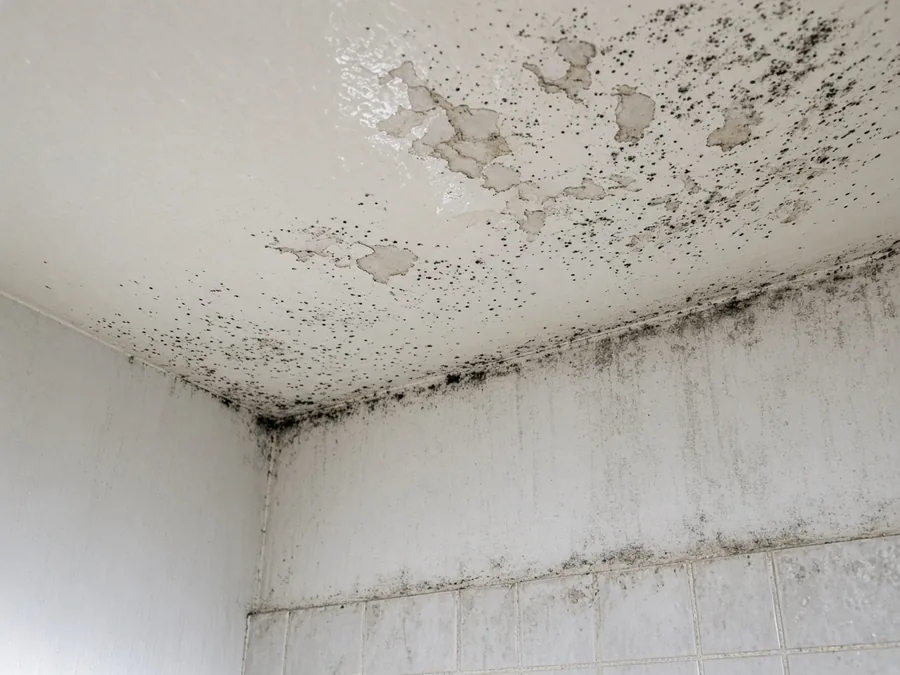
- Swelling, bubbling paint, or soft spots in walls or floors
- A musty smell appearing days after a water event
What the work typically involves
- Stop the water & stay safe. Shut off the water source. Never enter a flooded basement where water may reach outlets or appliances. Contact your utility if needed.
- Document for insurance. Photograph damage before cleanup and contact your insurer promptly.
- Extract & dry. Pros use pumps, air movers, and dehumidifiers and take moisture readings until materials are dry.
- Remove & remediate. Materials that cannot be dried, or that have growth, are removed. Mold is remediated before rebuilding.
Helpful resources: EPA mold guide · FEMA flood map lookup
Why mold is a problem
Mold can cause allergy-type symptoms and asthma flare-ups in some people, especially those with allergies, asthma, or weakened immune systems. It also slowly damages wood, drywall, and insulation, and it keeps coming back until the moisture source is fixed.
Sources: CDC: About Mold · EPA: A Brief Guide to Mold, Moisture and Your Home · WHO Guidelines for Indoor Air Quality: Dampness and Mould (2009) · EPA: Mold Exposure and Respiratory Conditions in Young Children · CDC: Facts About Stachybotrys chartarum
Water Damage Mold in Woburn: FAQ
My Woburn basement flooded. Should I call a mold pro or a water damage company first?
If there is standing water or materials are still wet, start with drying. Many companies do both. If the water event was more than a couple of days ago and you see or smell mold, ask for a mold assessment as well.
Is Woburn in a flood zone?
Parts of many North Shore communities are in mapped flood zones, especially near rivers, wetlands, and the coast. Look up your specific address on FEMA's Flood Map Service Center (msc.fema.gov).
How quickly does mold grow after water damage?
The EPA advises drying water-damaged areas within 24 to 48 hours to prevent mold growth. After that, the risk rises quickly, especially in warm weather.
What if it was sewage or floodwater?
Contaminated water, such as sewage backups or floodwater, carries health risks. The EPA recommends removing porous materials it soaked. This is generally a job for professionals.